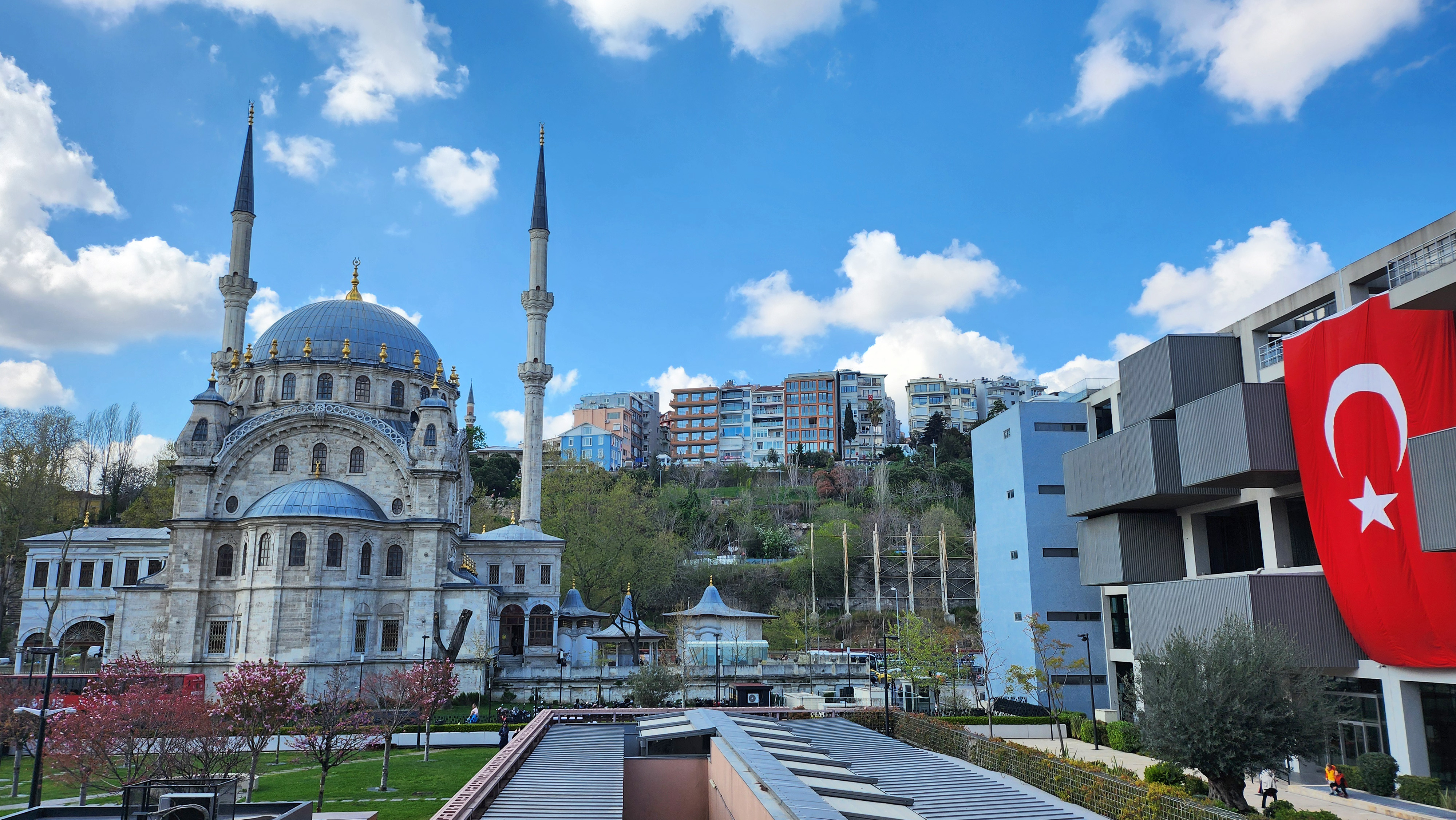
Last week, we were on a highly anticipated trip to Türkiye that I had booked more than six months ago. Needless to say, subsequent events produced palpable anxiety and uncertainty as to whether plans would be forfeited, but thankfully we were able to go.
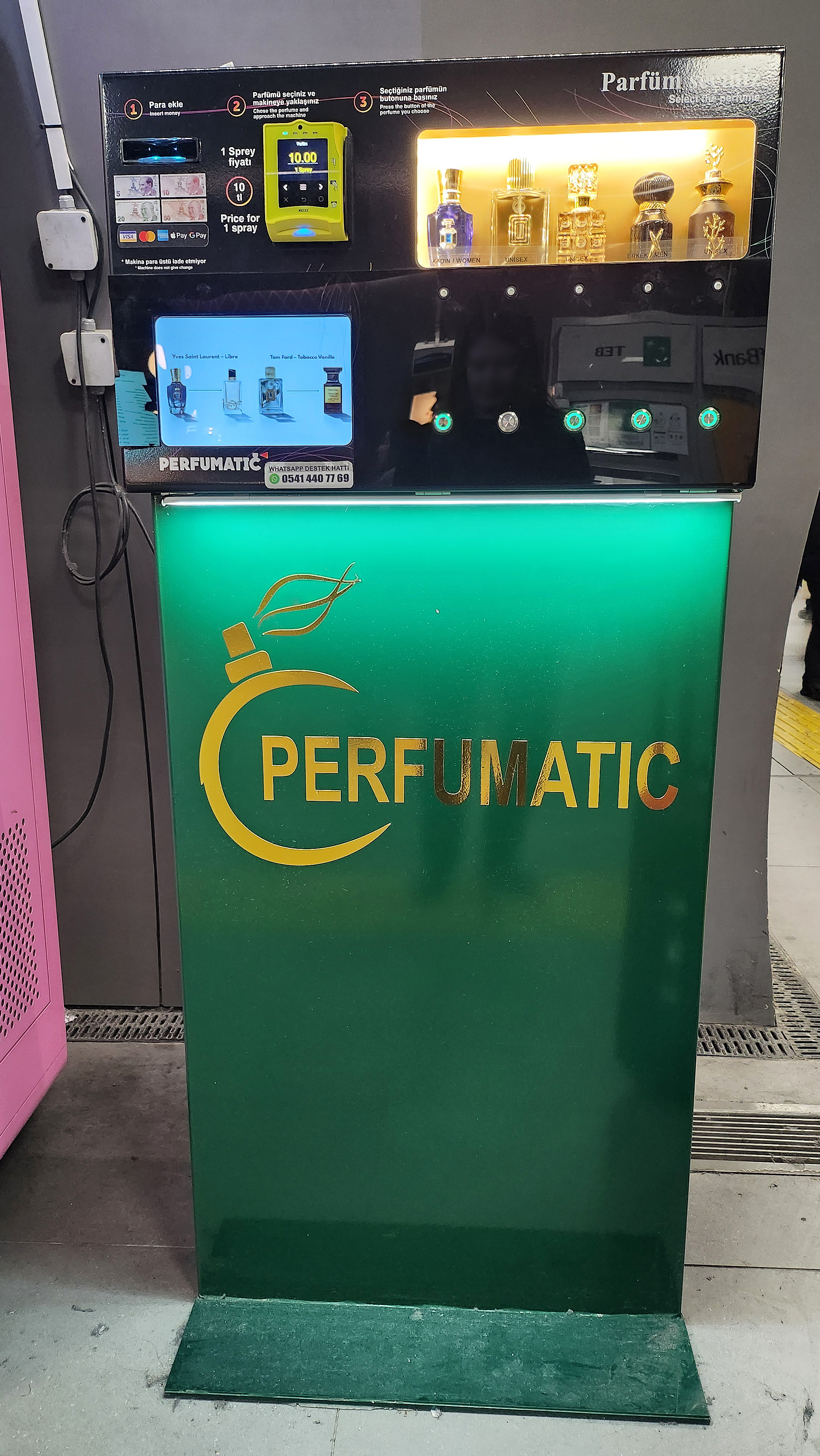
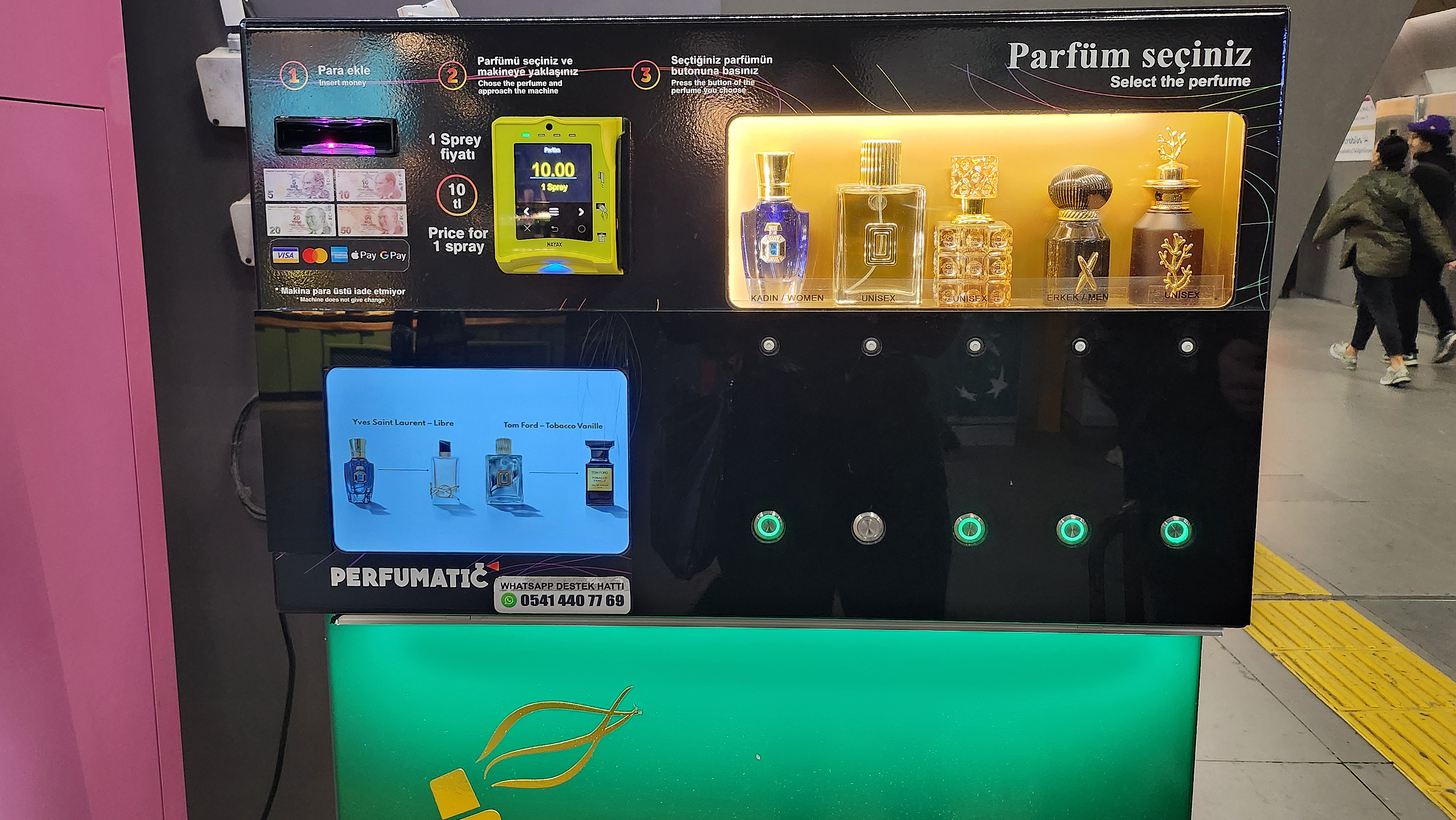
Upon arrival in Istanbul, we chose the economical option of public transport to get to our hotel, which involved some confusion and multiple changes between lines (Metro and tram). One of the Metro stations had this technological marvel that I found both amusing and brilliant: the Perfumatic. For 10 Turkish liras (at the time of this writing, approximately 20 cents), you can get a spray of a perfume. They are even helpfully labelled as for women, men, or unisex.
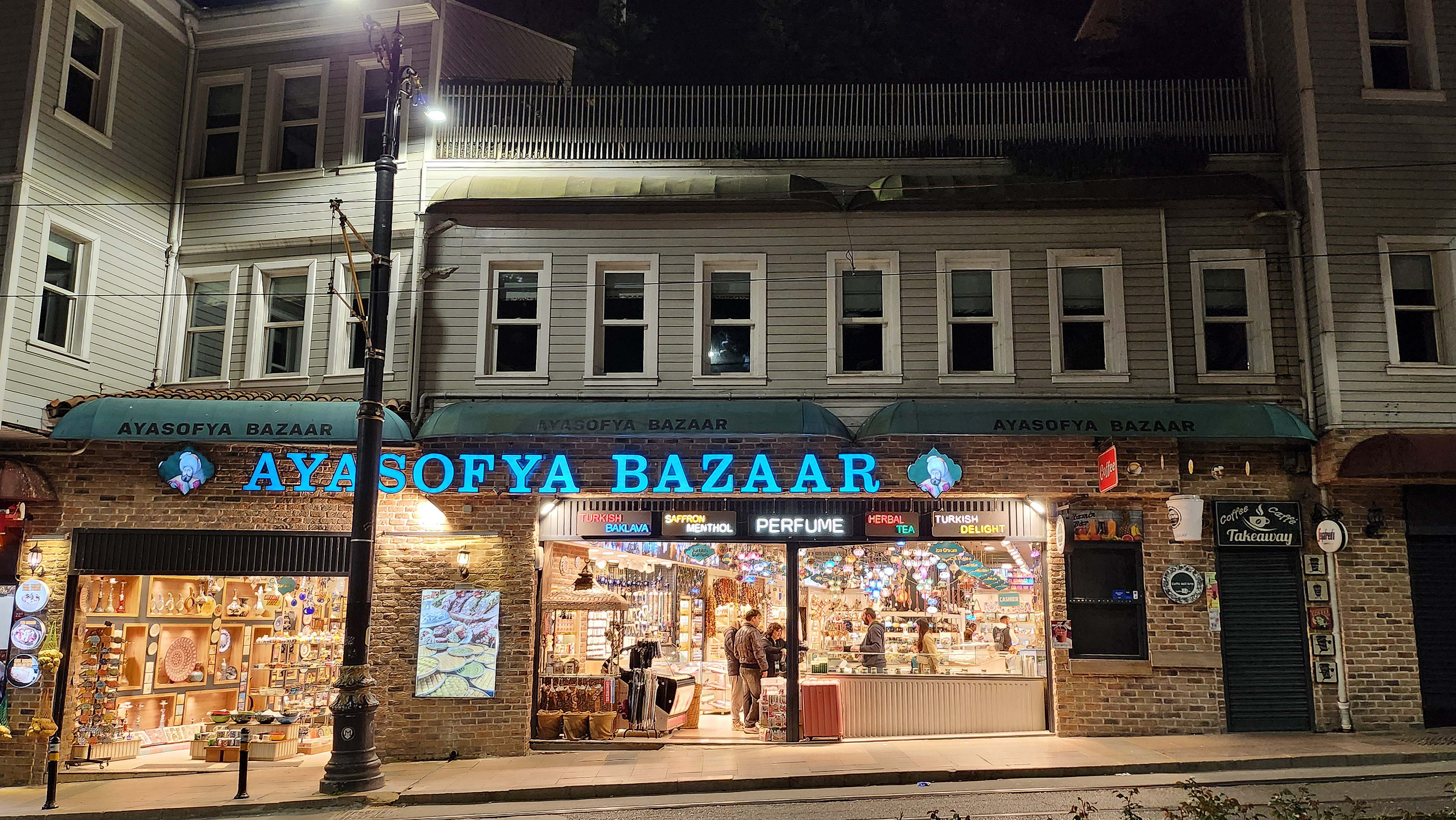
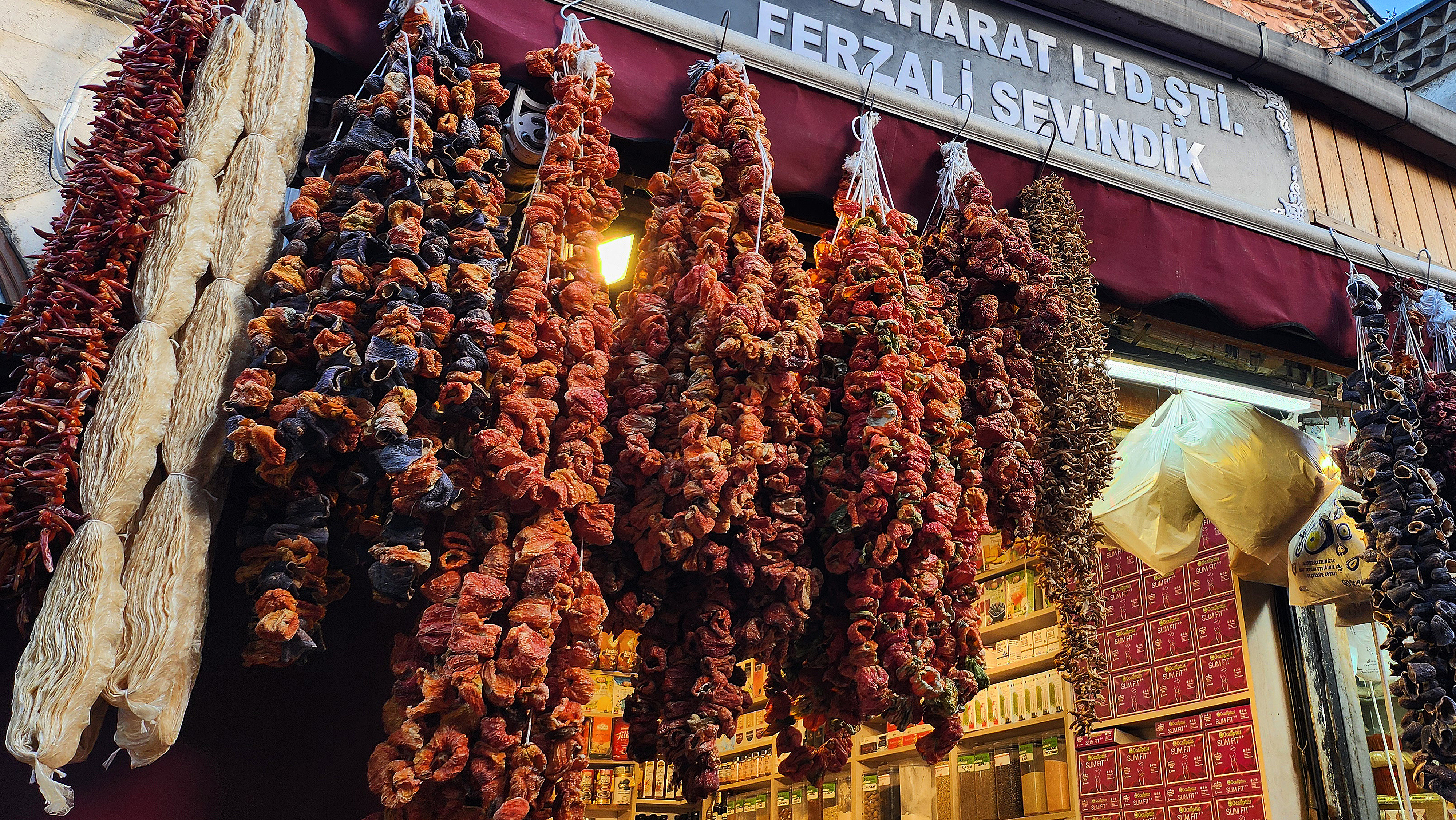
Perfume is ubiquitous in Istanbul, and generally strong, smoky, and woody (but not the sweet woody ambers pervading US metropolises). Many bazaars sell perfume, along with baklava, Turkish delights, herbal tea blends, and the less obvious saffron and menthol (which may take the form of crystals to dissolve in water for a potent vapor).
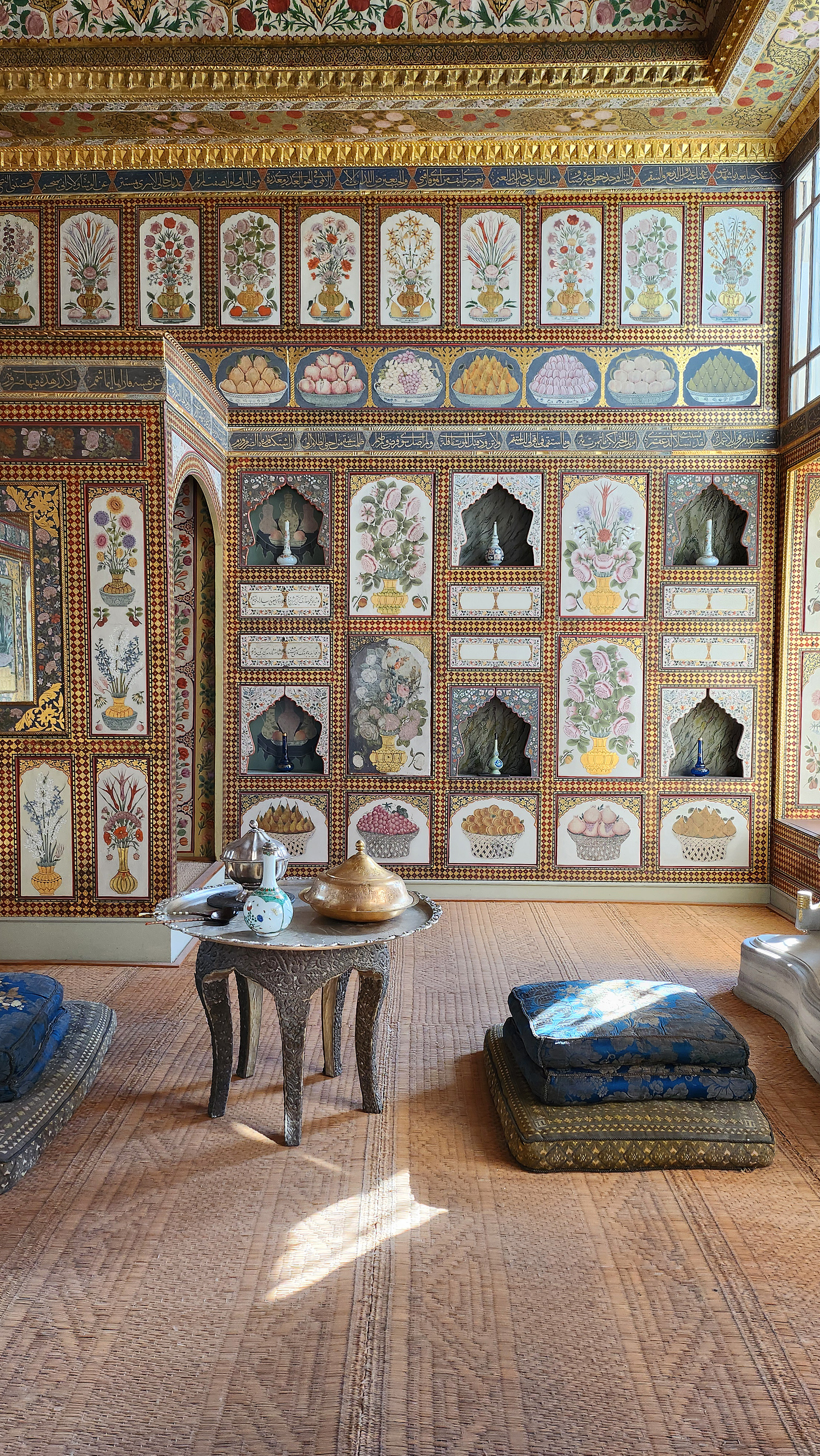
We started our first full day exploring the historical sites in the Sultanahmet area. The architecture is stunning and reflects centuries of enhancements and refinements.
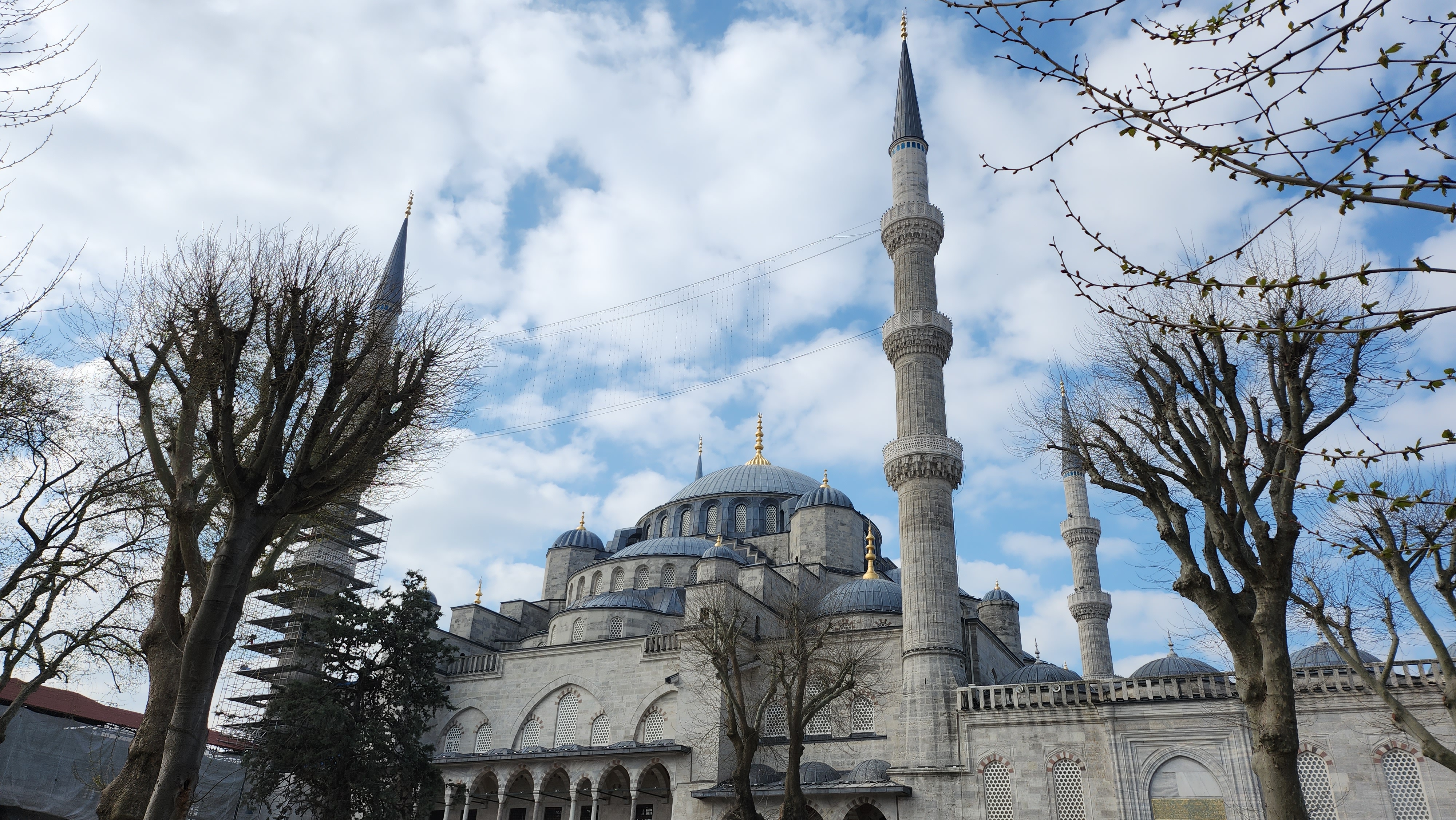
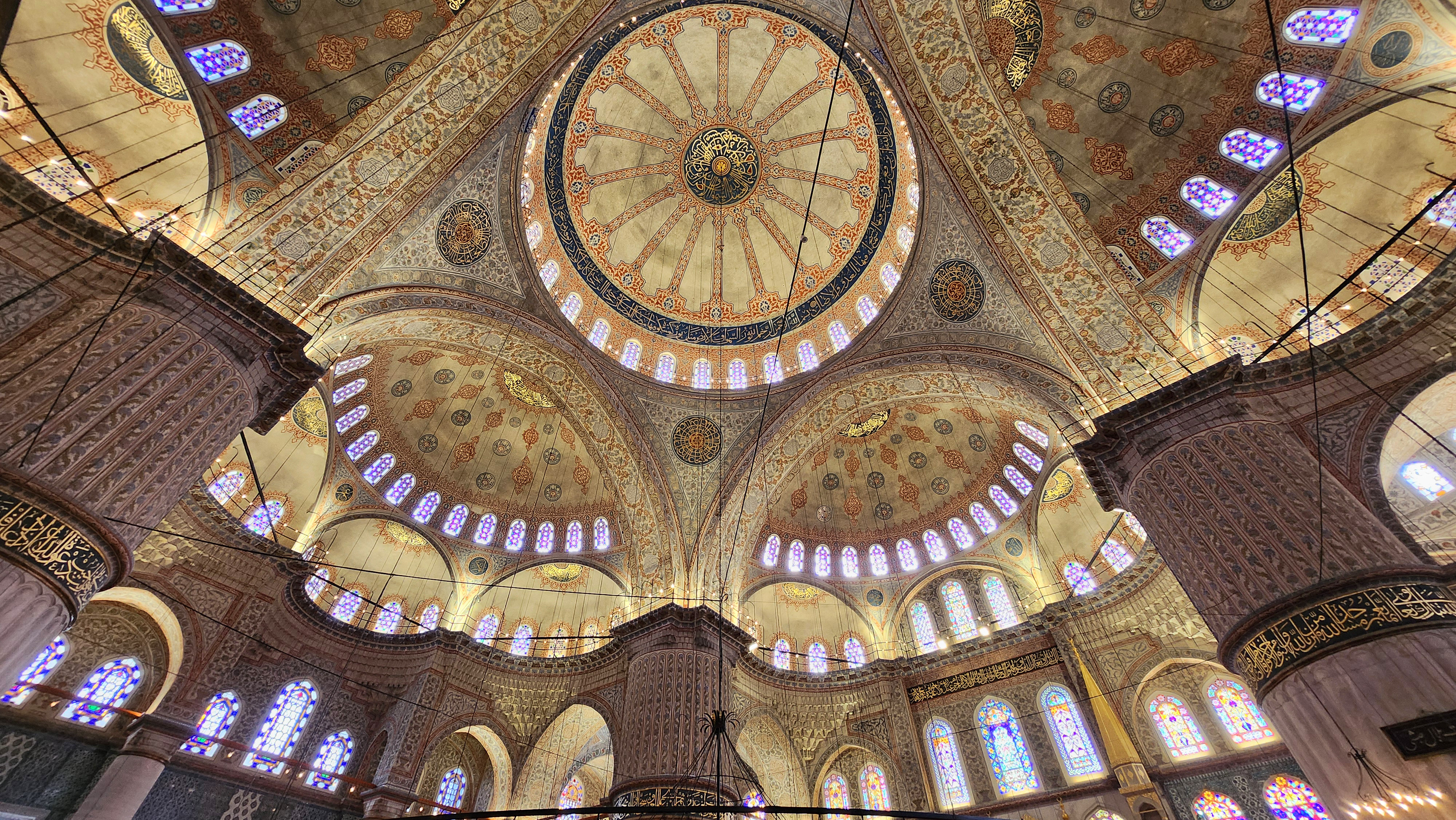
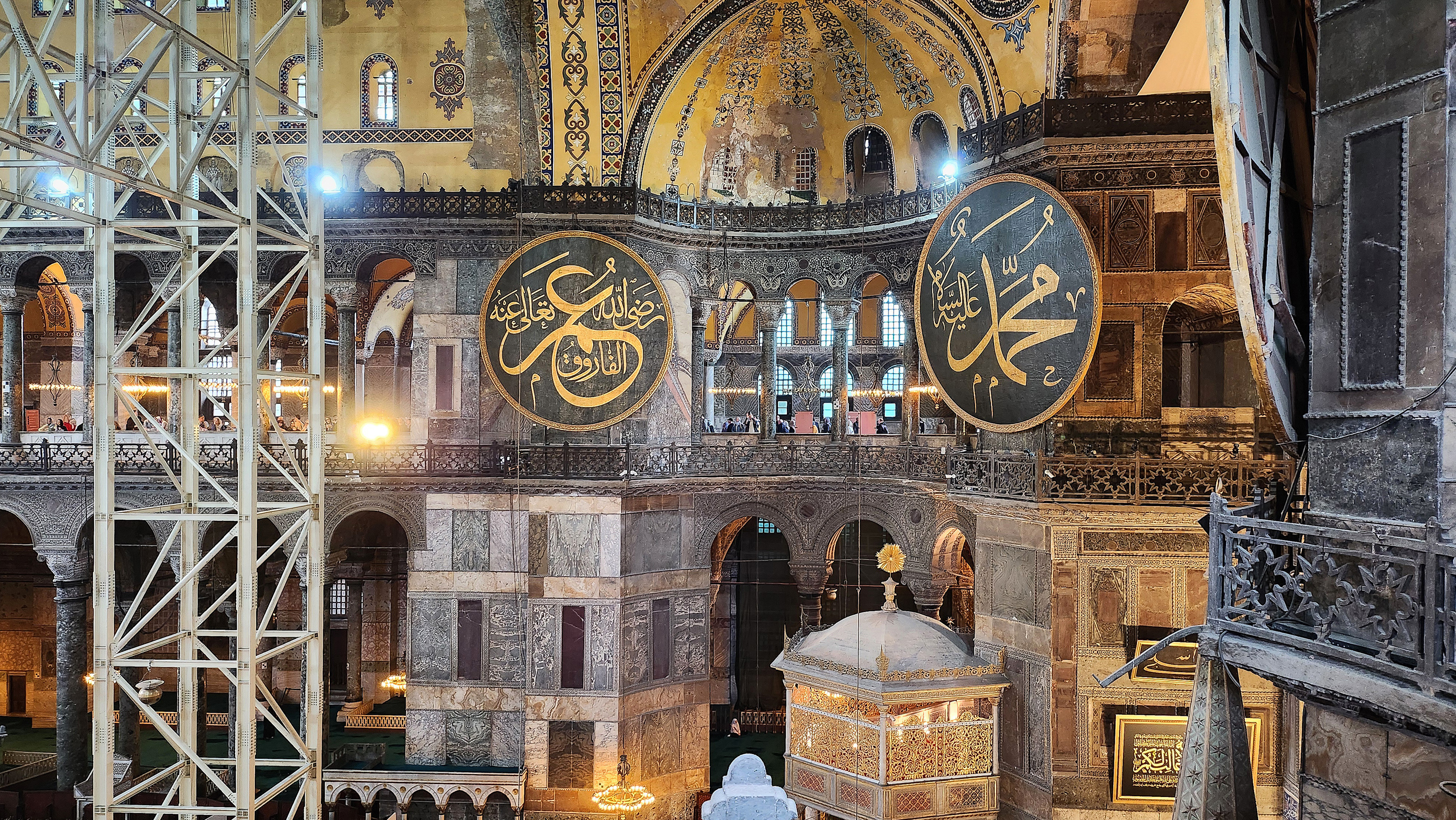
Topkapı Palace is easily a half-day visit, as the grounds are vast and the treasures in the museum are many. (And some of the queues are long.)
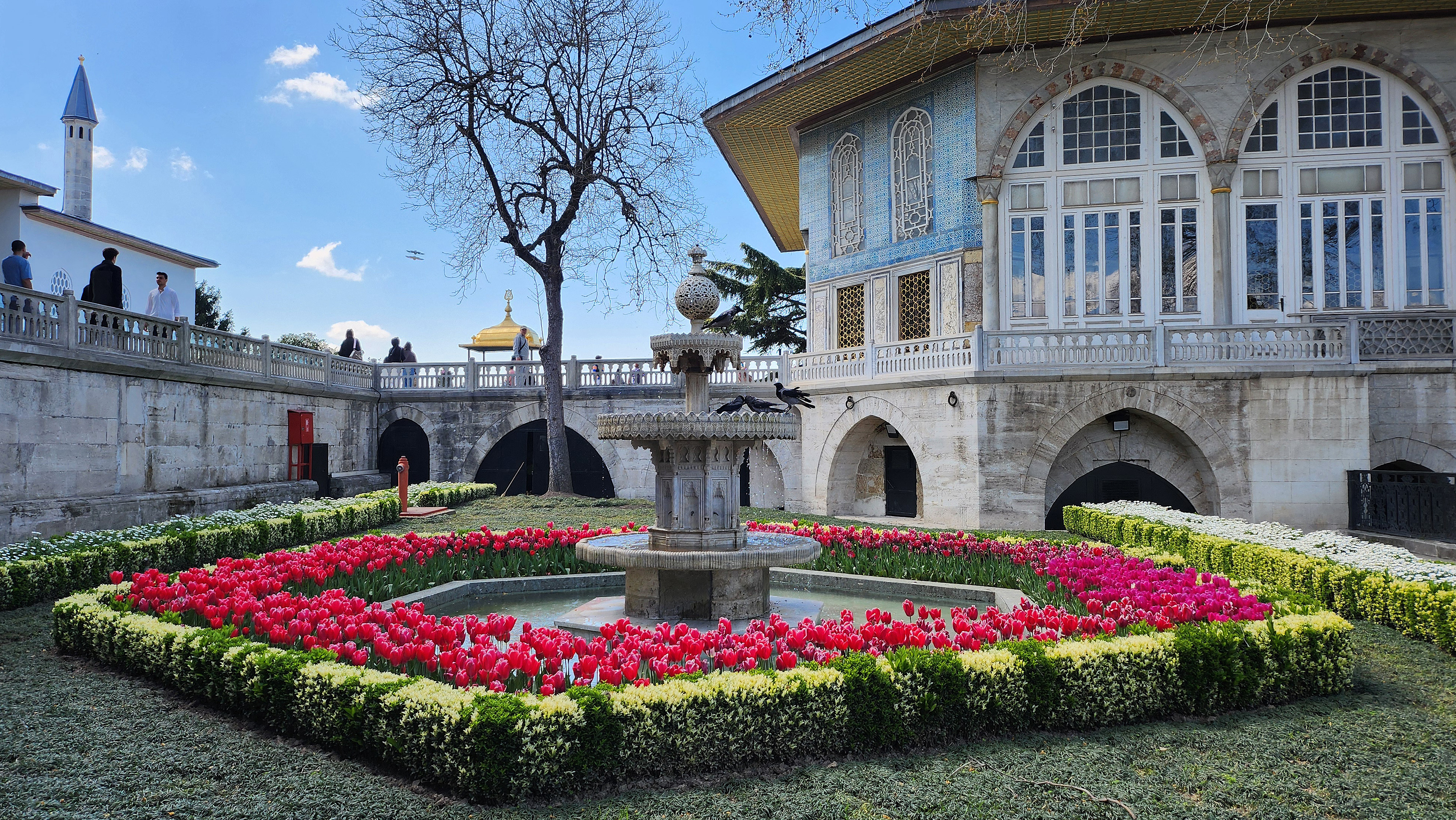
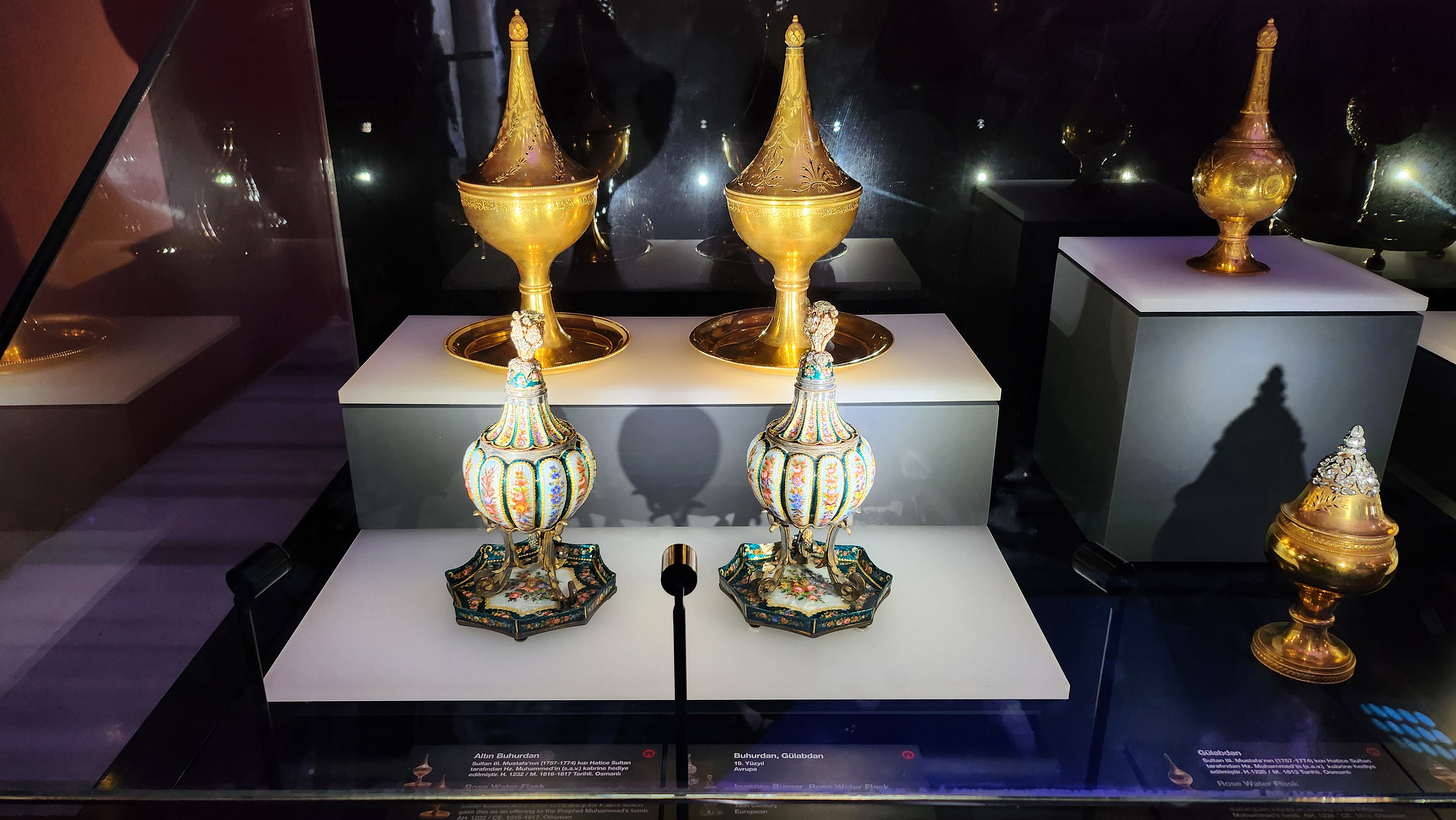
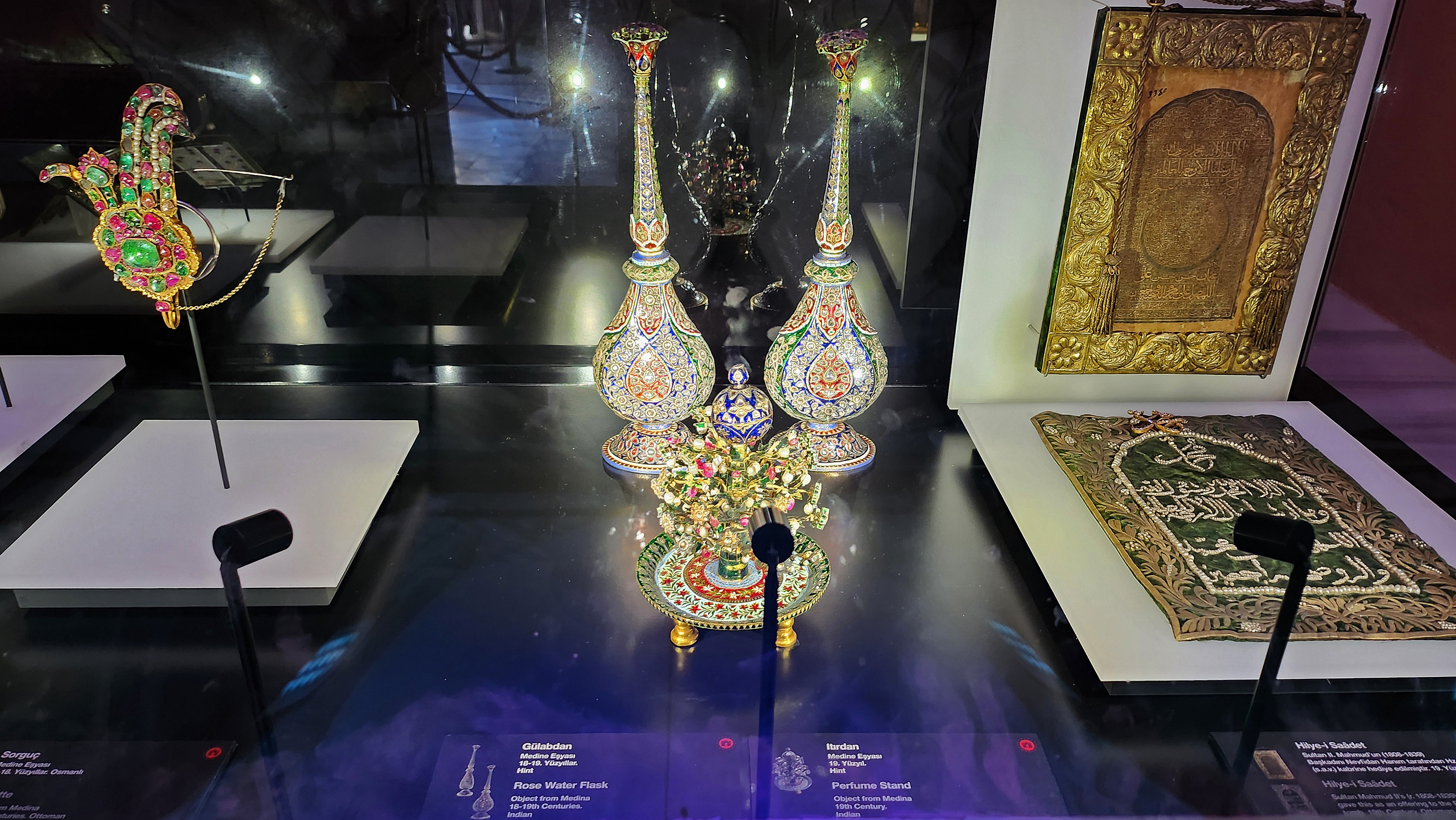
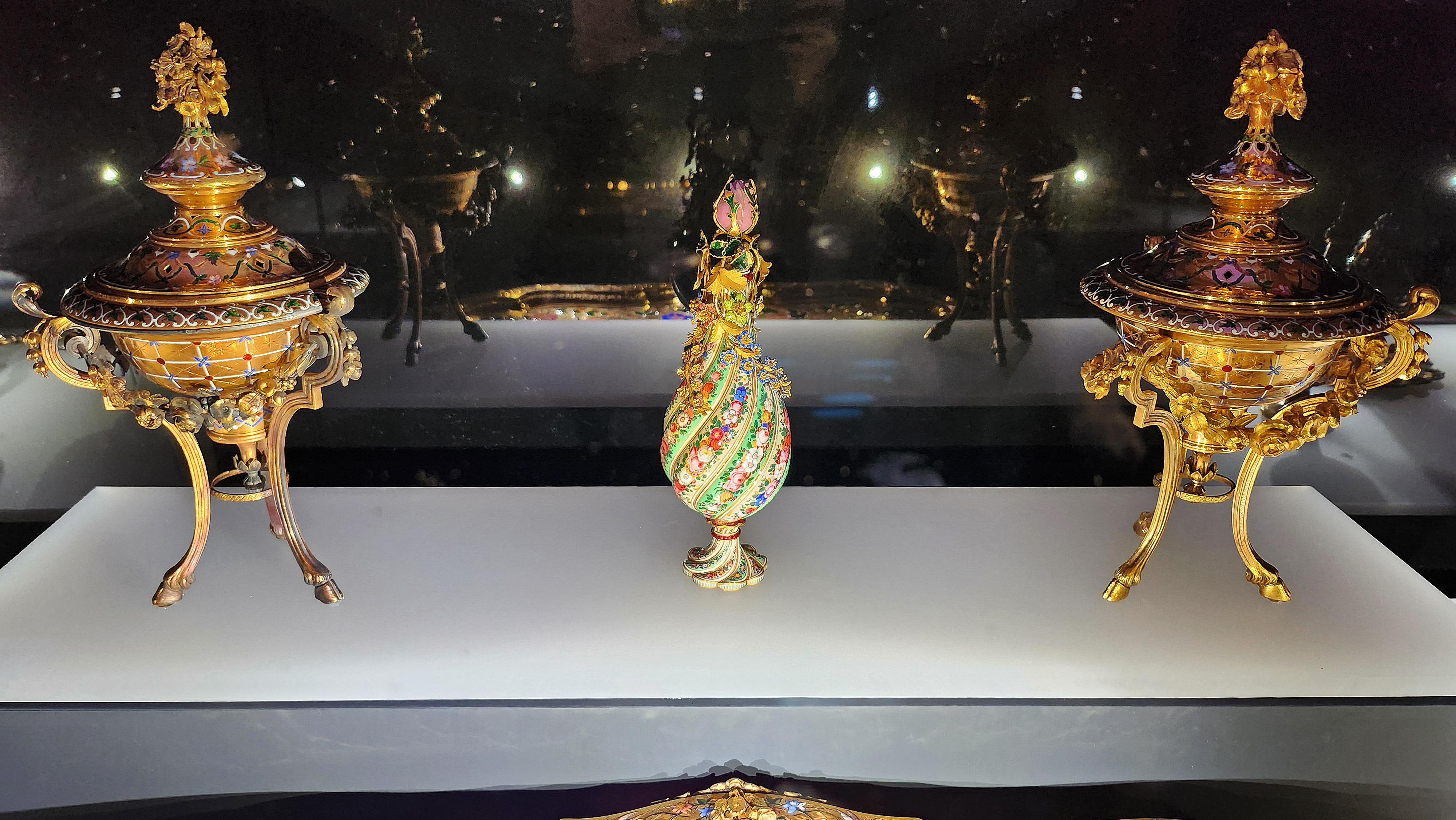
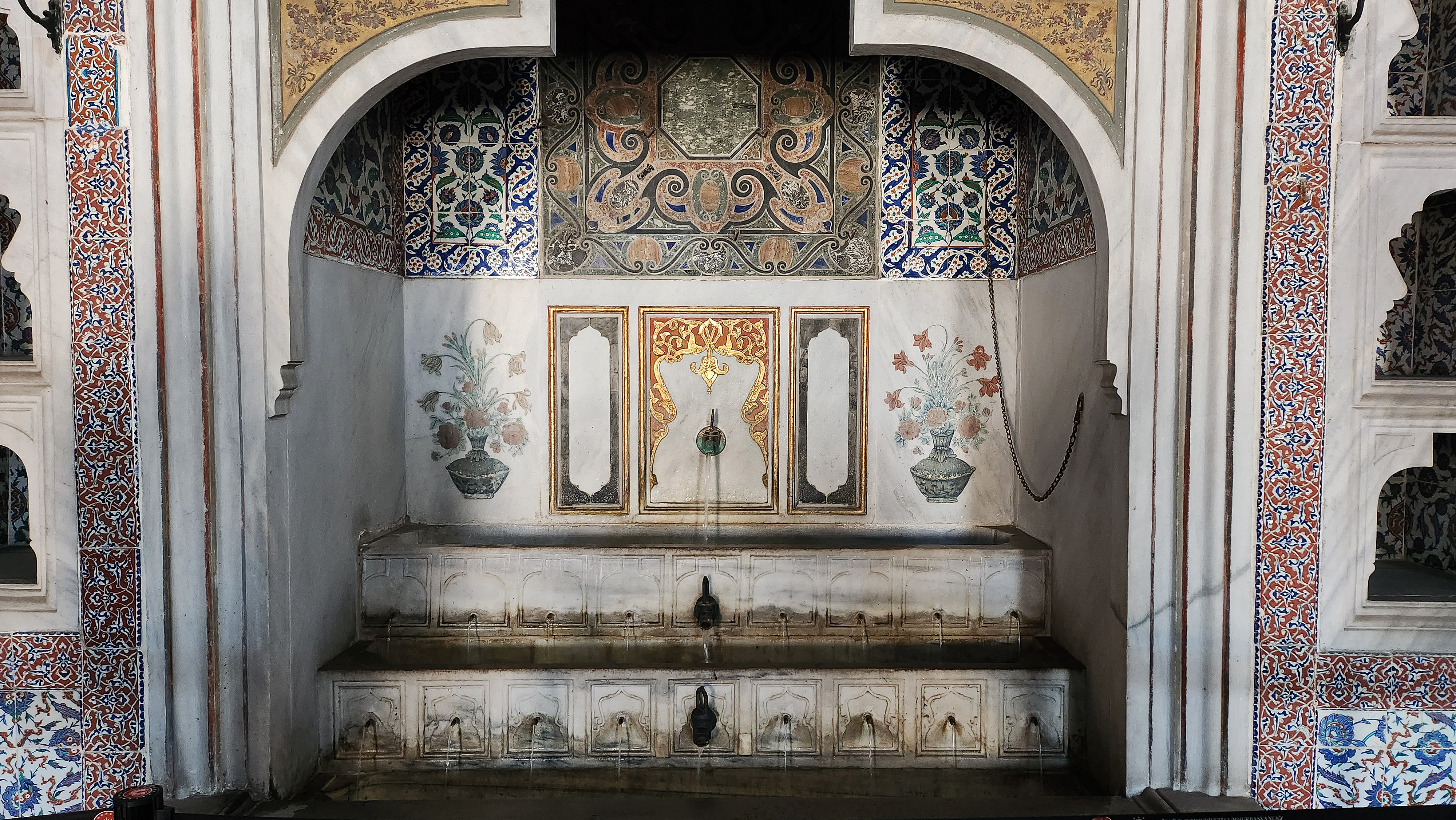
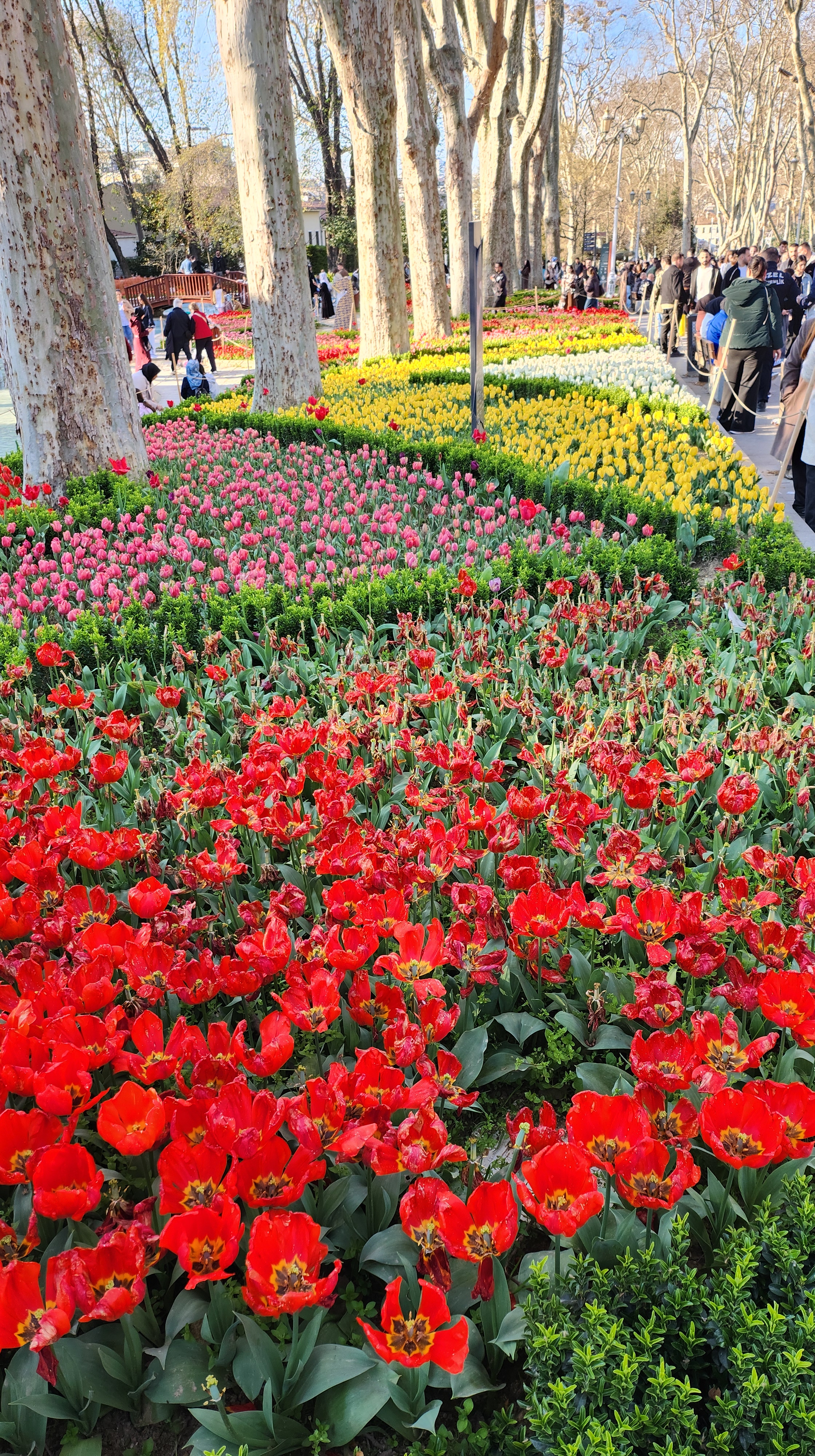
The tulip festival in Istanbul takes place in April, and we caught the tail end of peak bloom. Gülhane Park is one of the larger parks in the central area and boasted an abundance of tulips of all kinds—a feast for the eyes, and to a lesser degree for the nose, as the flowers keep their green, fresh, and slightly nectary scent close.
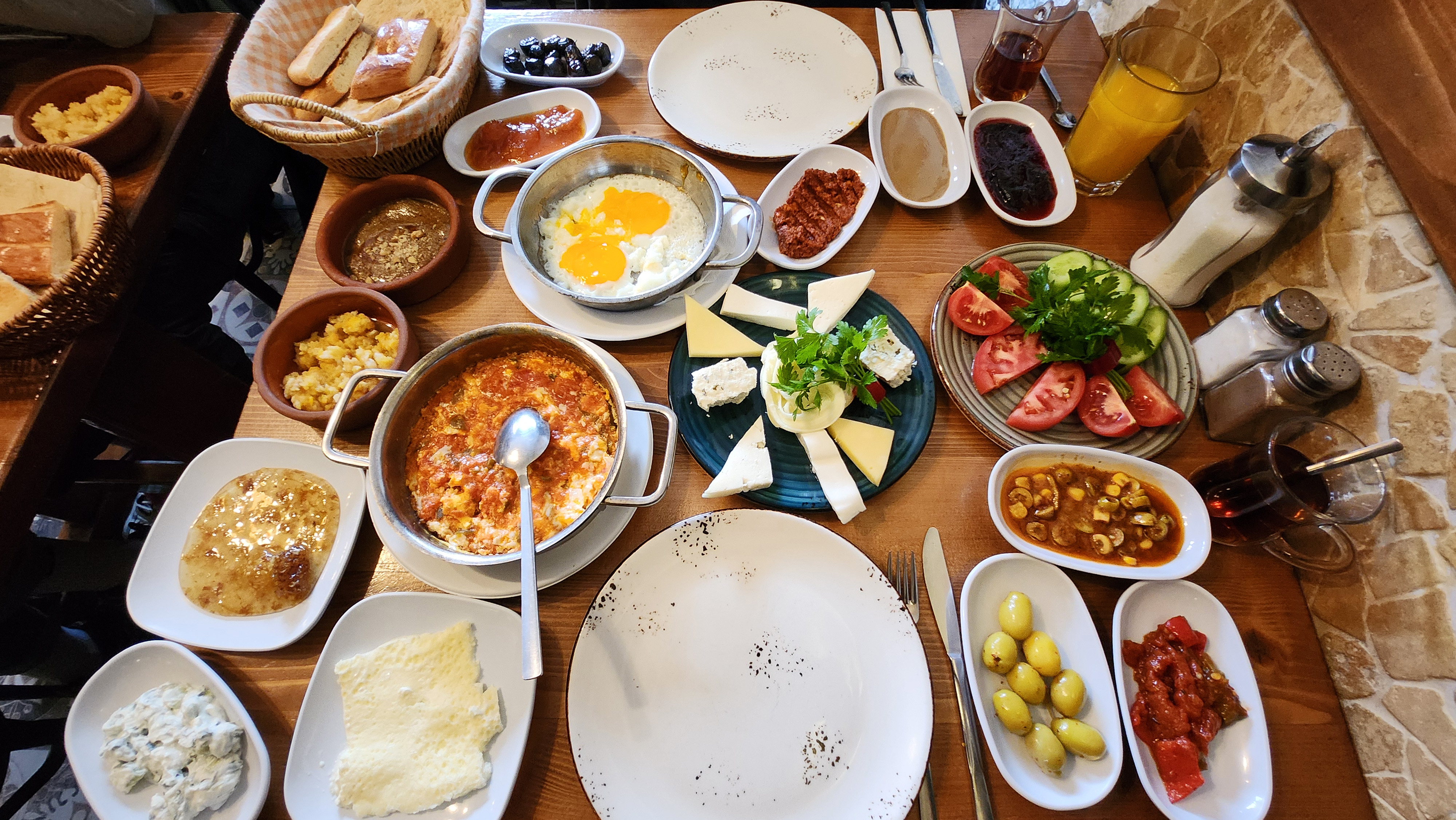
If all this talk of beauty and flora is making you hungry, let me assure you that the food in Türkiye is highly flavorful and satisfying for omnivores and vegetarians alike. Breakfast can be a full spread called serpme, featuring egg-based hot dishes, cheeses, olives, several nut-based sauces, and fruit jams (sour cherry and wild apricot). Black tea (çay) is served often with every meal in tulip-shaped glasses.
For a snack, Maraş ice cream is sold on the streets with a side of showmanship, as it’s very dense and can be manipulated like dough, enabling all sorts of tricks. It’s made with goat’s milk and salep (orchid tuber) is added to make it stretchy while mastic makes it chewy.
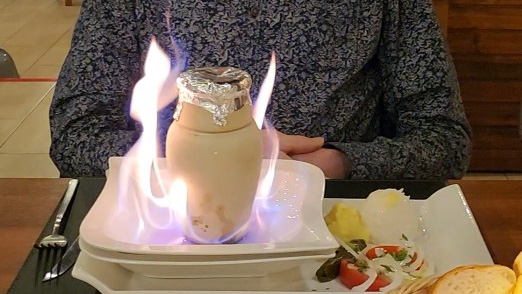
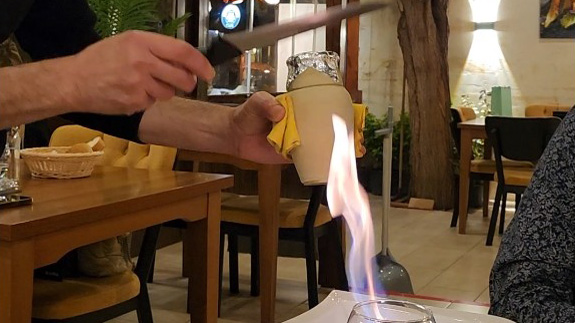
If slow cooking (or more showmanship) is up your alley, try a testi kebap—lamb and beef or vegetables roasted in a clay pot and broken open while still on fire. No water is added so the food is marinated in its own juice.
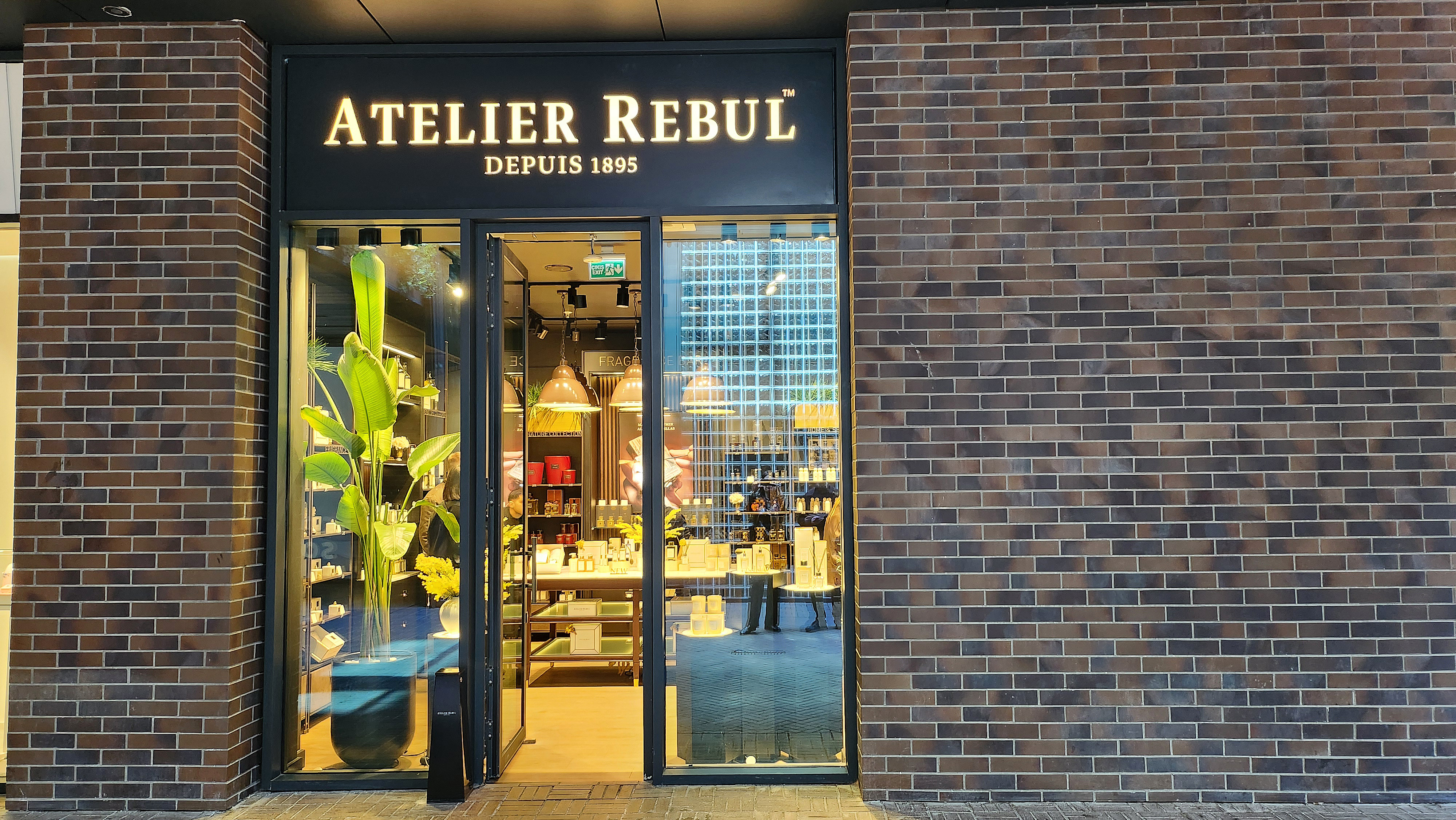
On to perfume in earnest, the first perfumery I visited was Atelier Rebul at Galataport. They have fragrance collections based on Istanbul. Unfortunately, my spring pollen allergies were giving my nose a hard time that day, and I found the totality of fragrances in the cozy space overwhelming, so did not get to give their perfumes a fair try. Fortunately, the toiletries in one of our hotels were from their original Istanbul series, so I got to experience the spicy, woody signature scent with featured notes of bergamot, jasmine, clove, sandalwood, and vanilla.
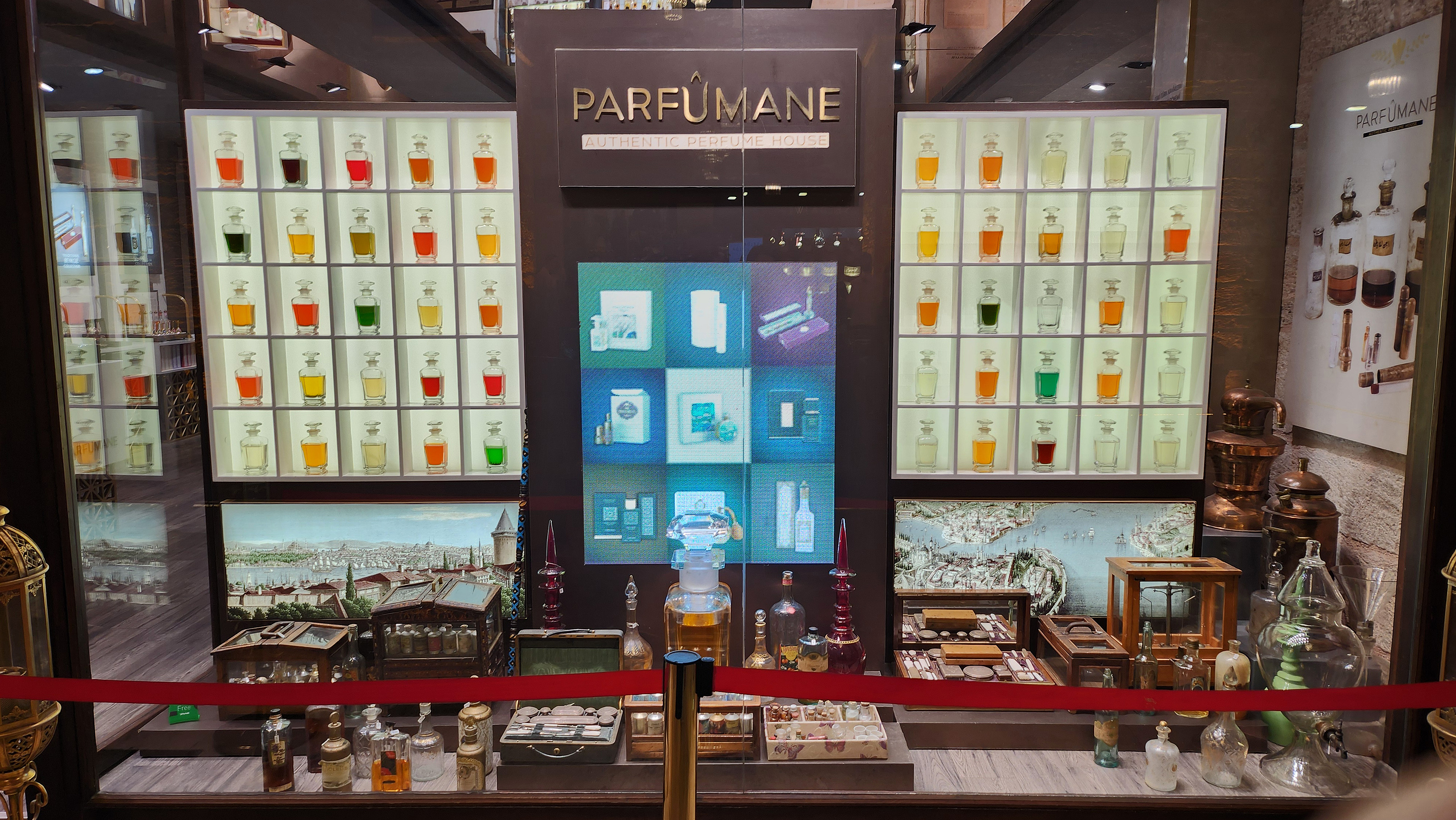
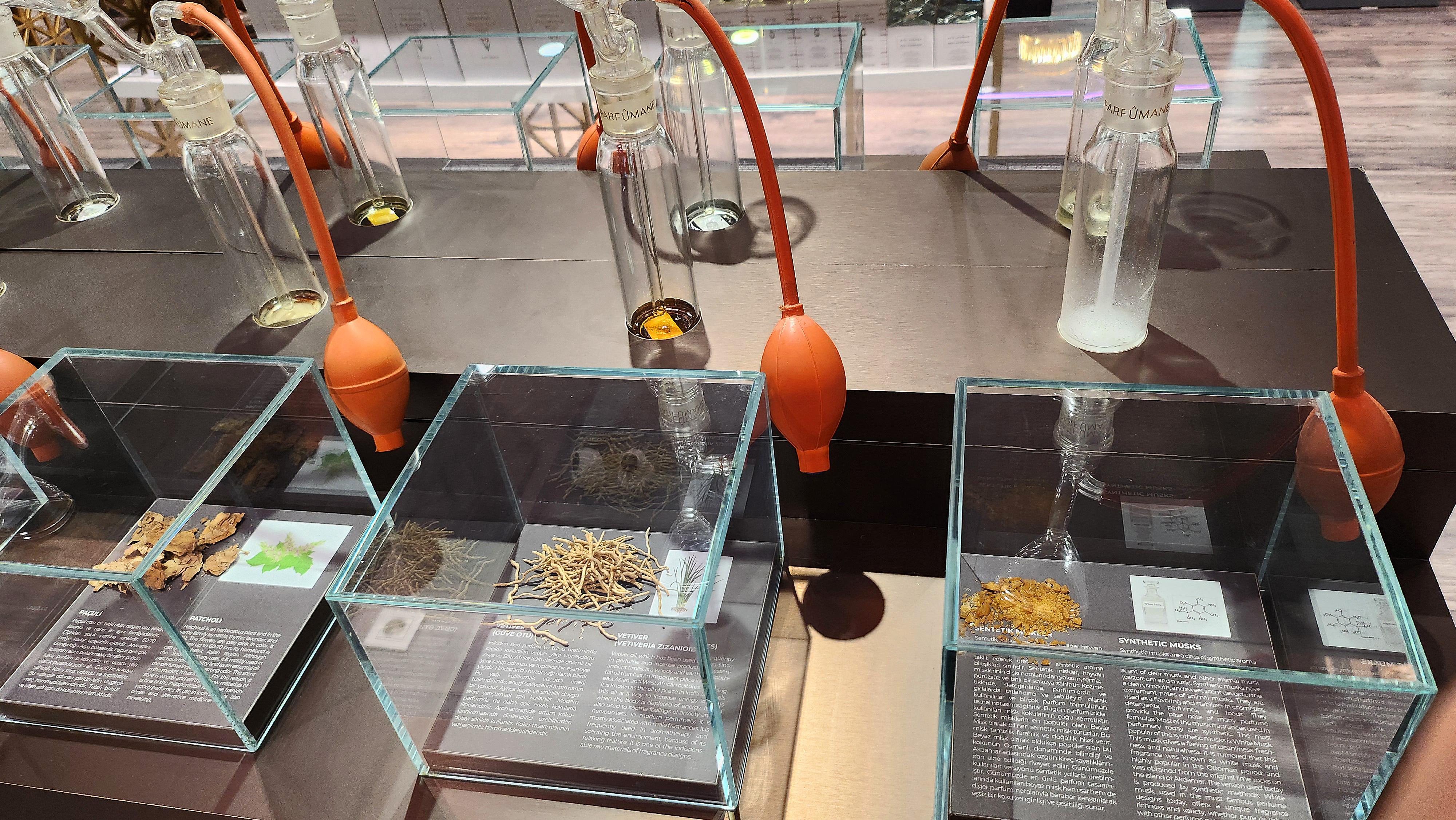
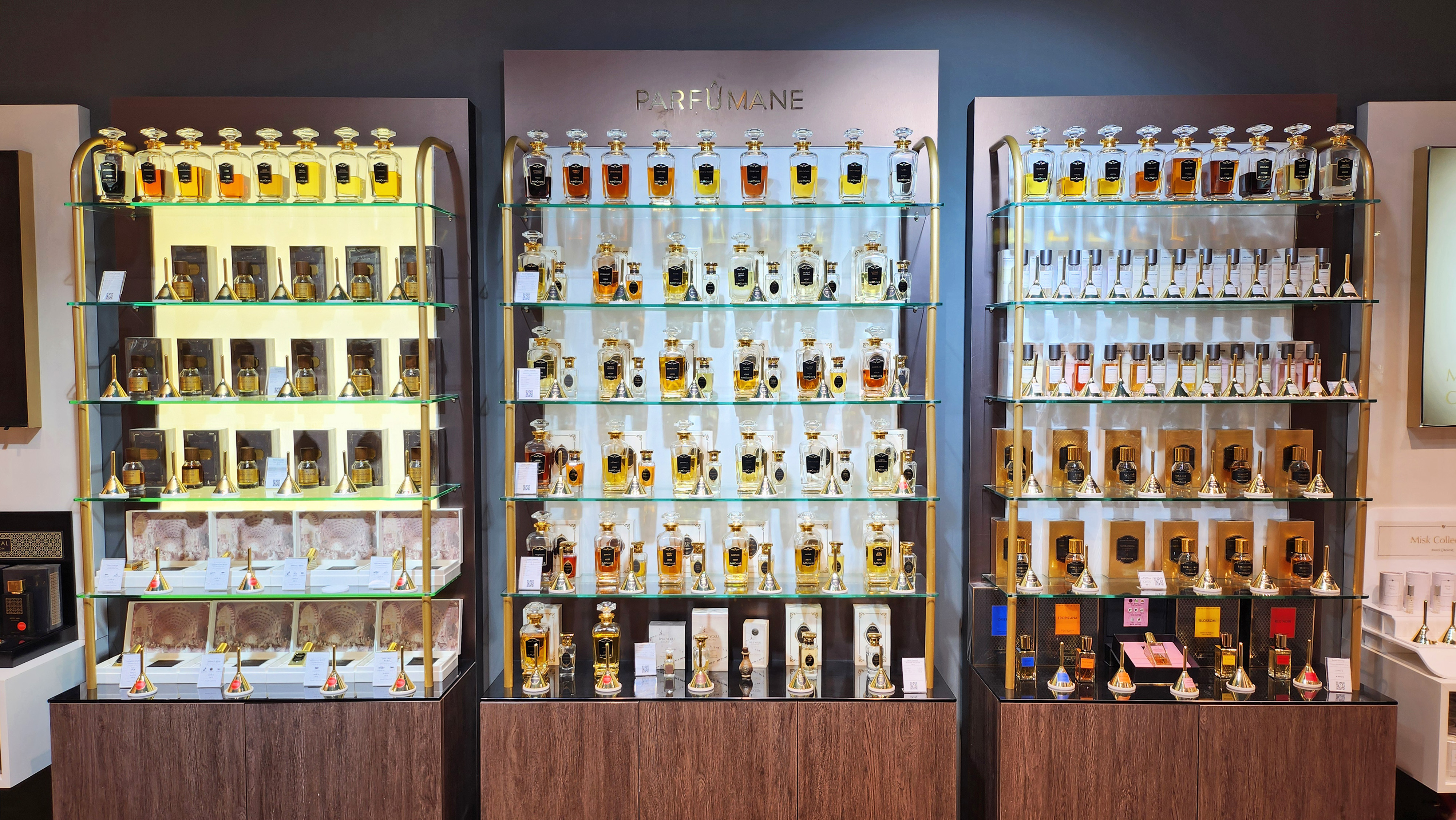
My next perfume destination was the one I had looked forward to the most, ever since I read an in-depth article about it on Fragrantica from 2023. Parfumane is part perfume museum and part shop (per the website, “perfume gallery and boutique”), showcasing historical artifacts and raw materials alongside specially developed perfume collections. The main location is a (relatively quiet) corner of the Grand Bazaar, opposite a #saltbae restaurant.
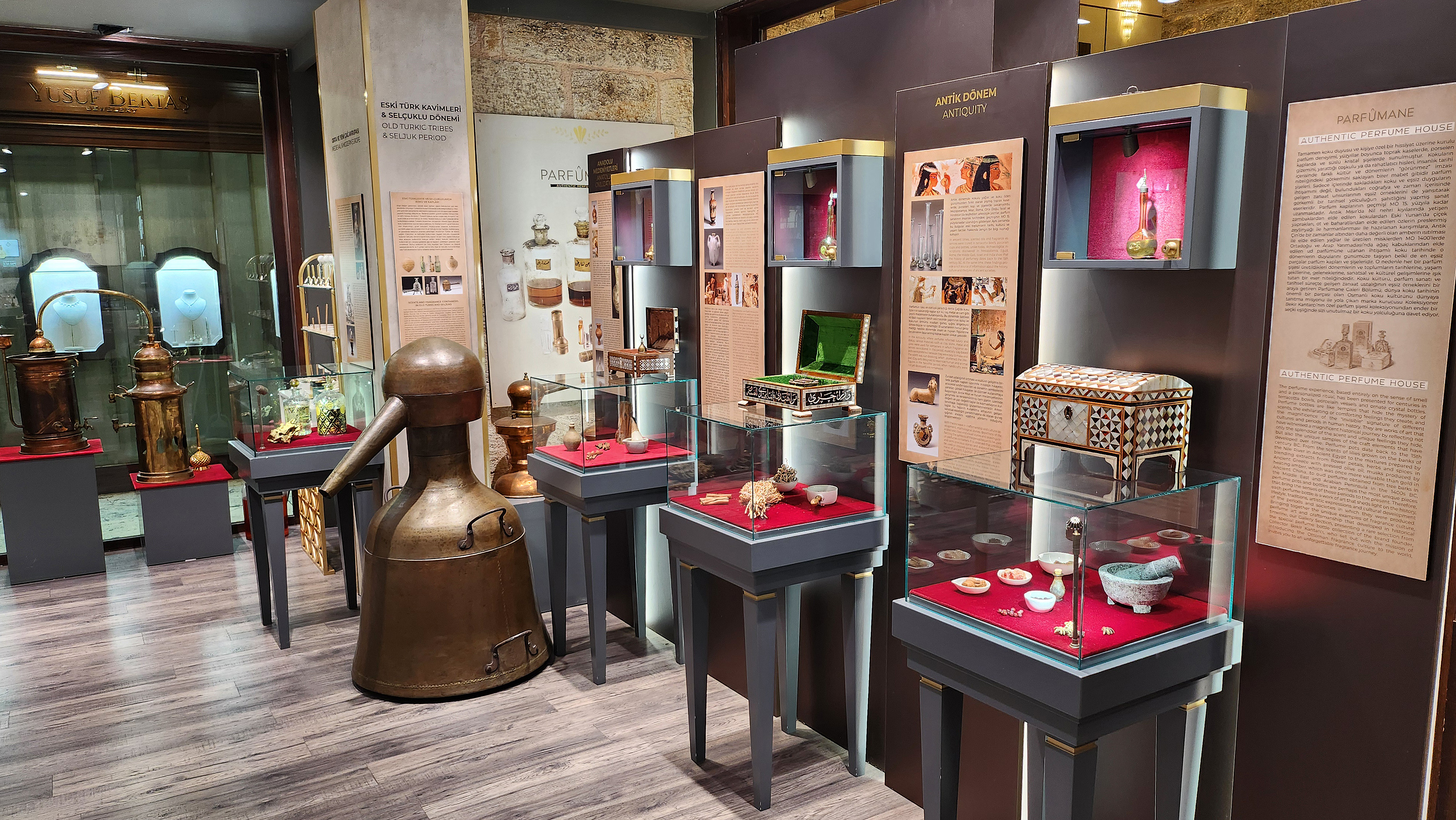
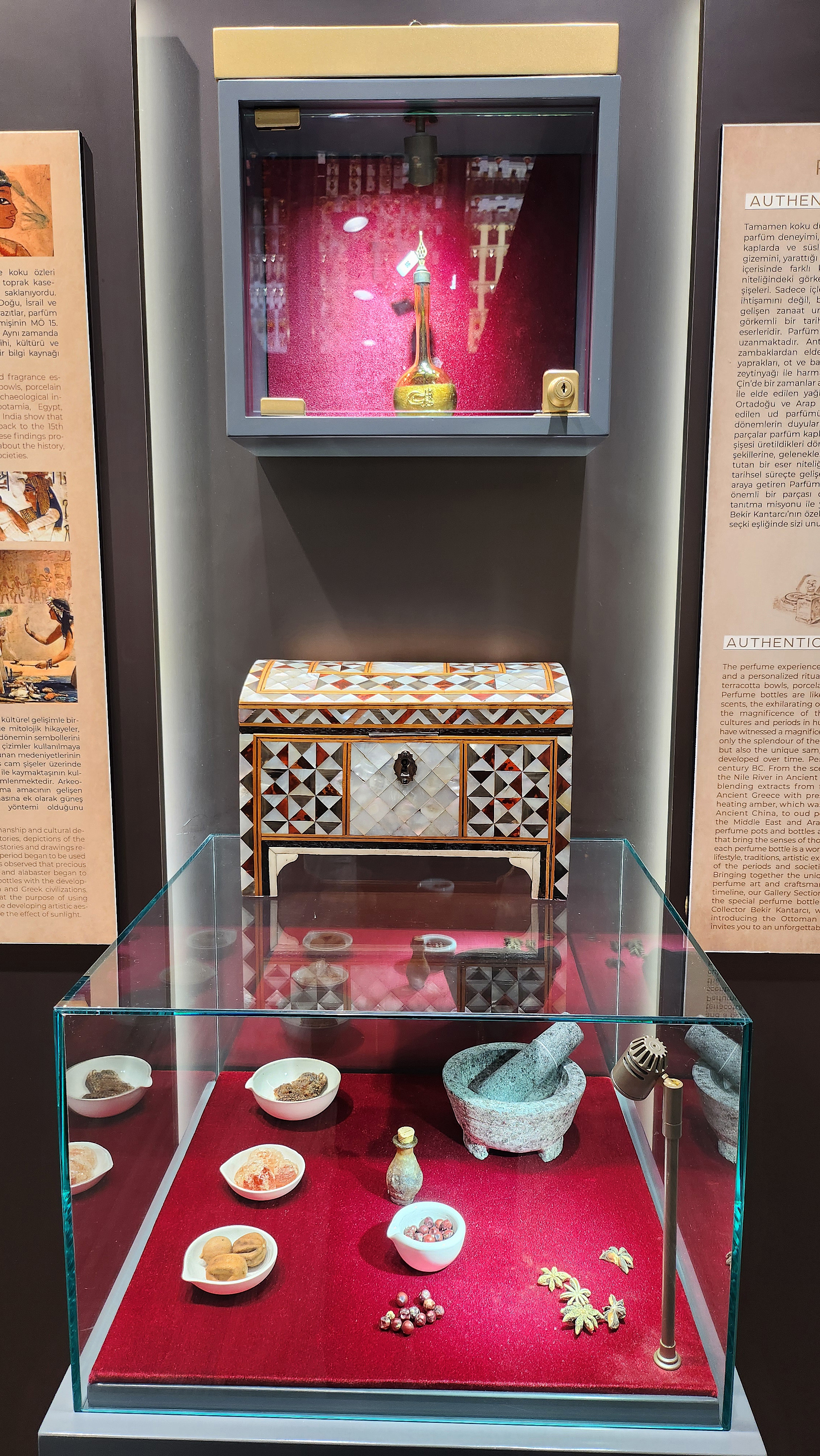
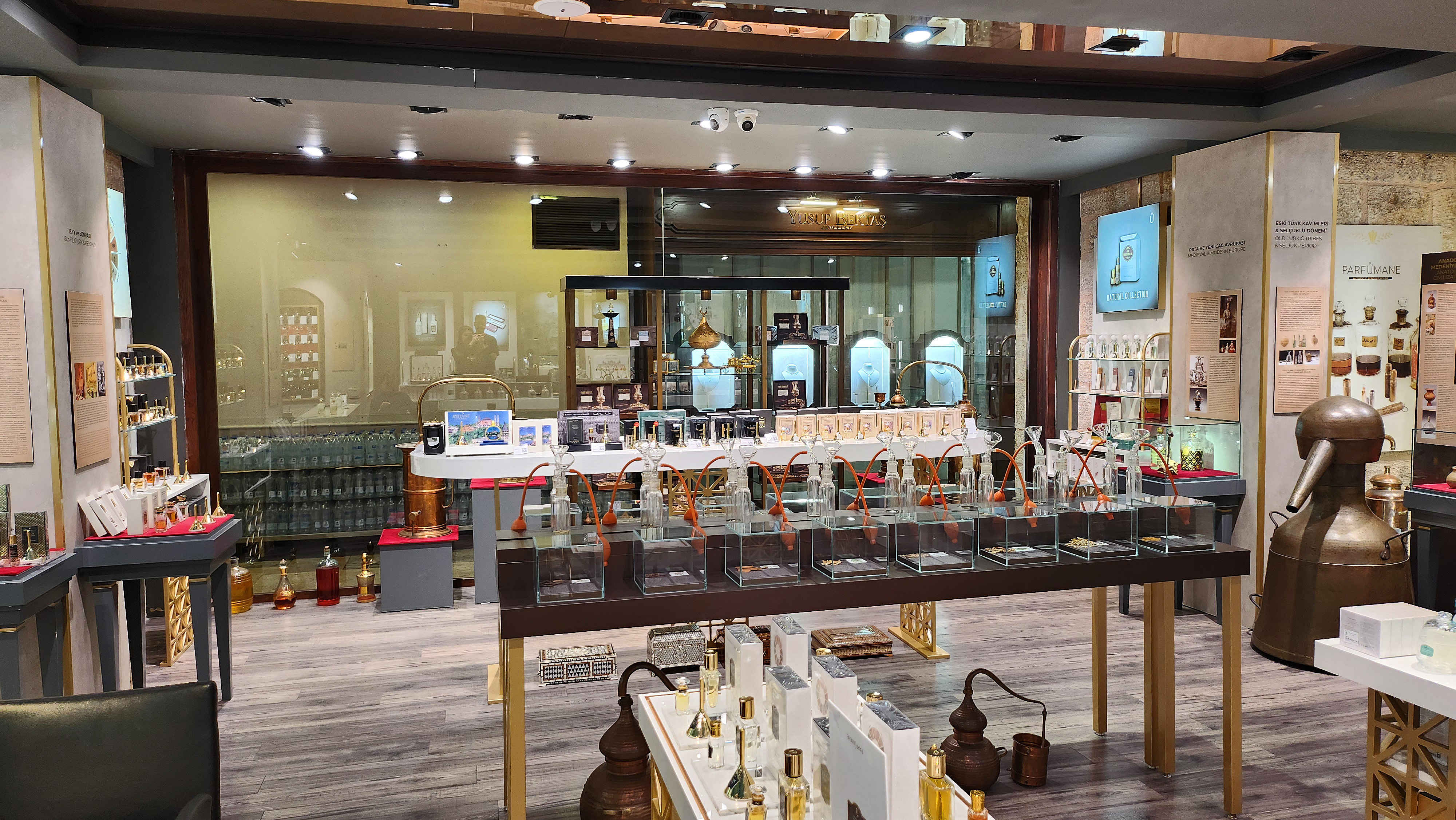
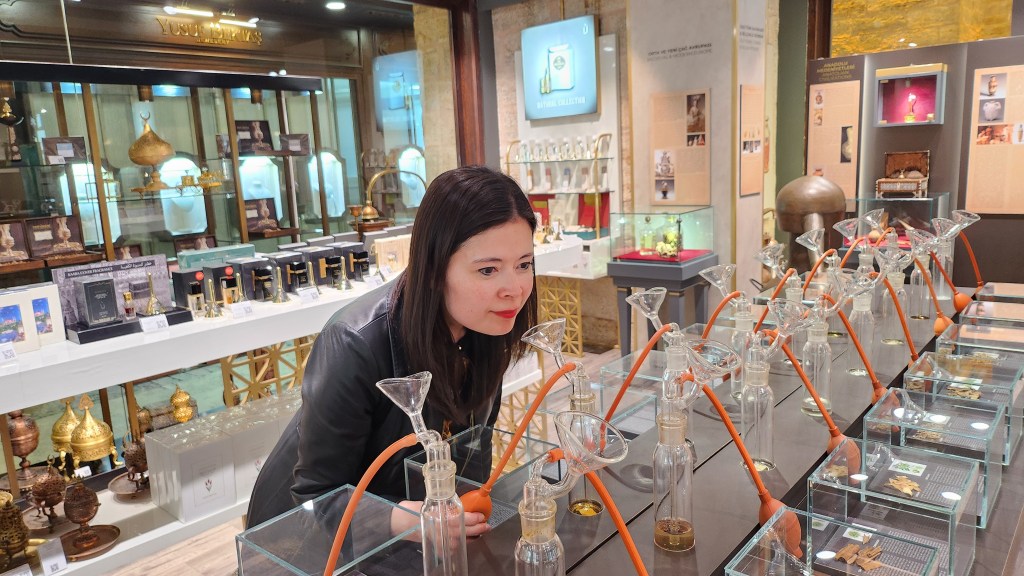
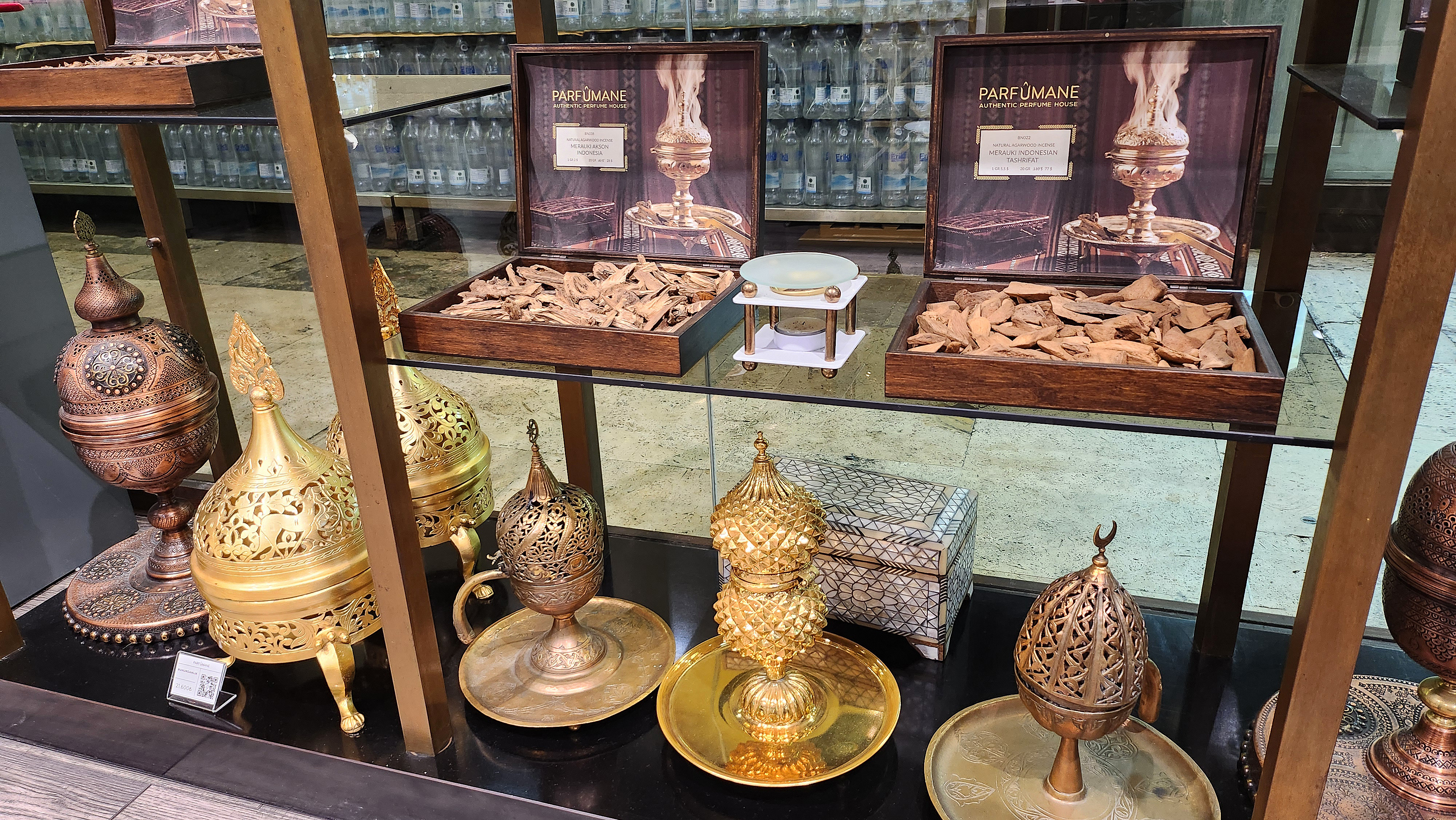
Parfumane also has an extensive selection of natural oud incense (buhur), which the sales associate kindly demonstrated on a charcoal burner. The amount of smoke it generated would certainly set the smoke alarms off in our apartment, but the deep, rich aroma was tempting to bring back as a keepsake.
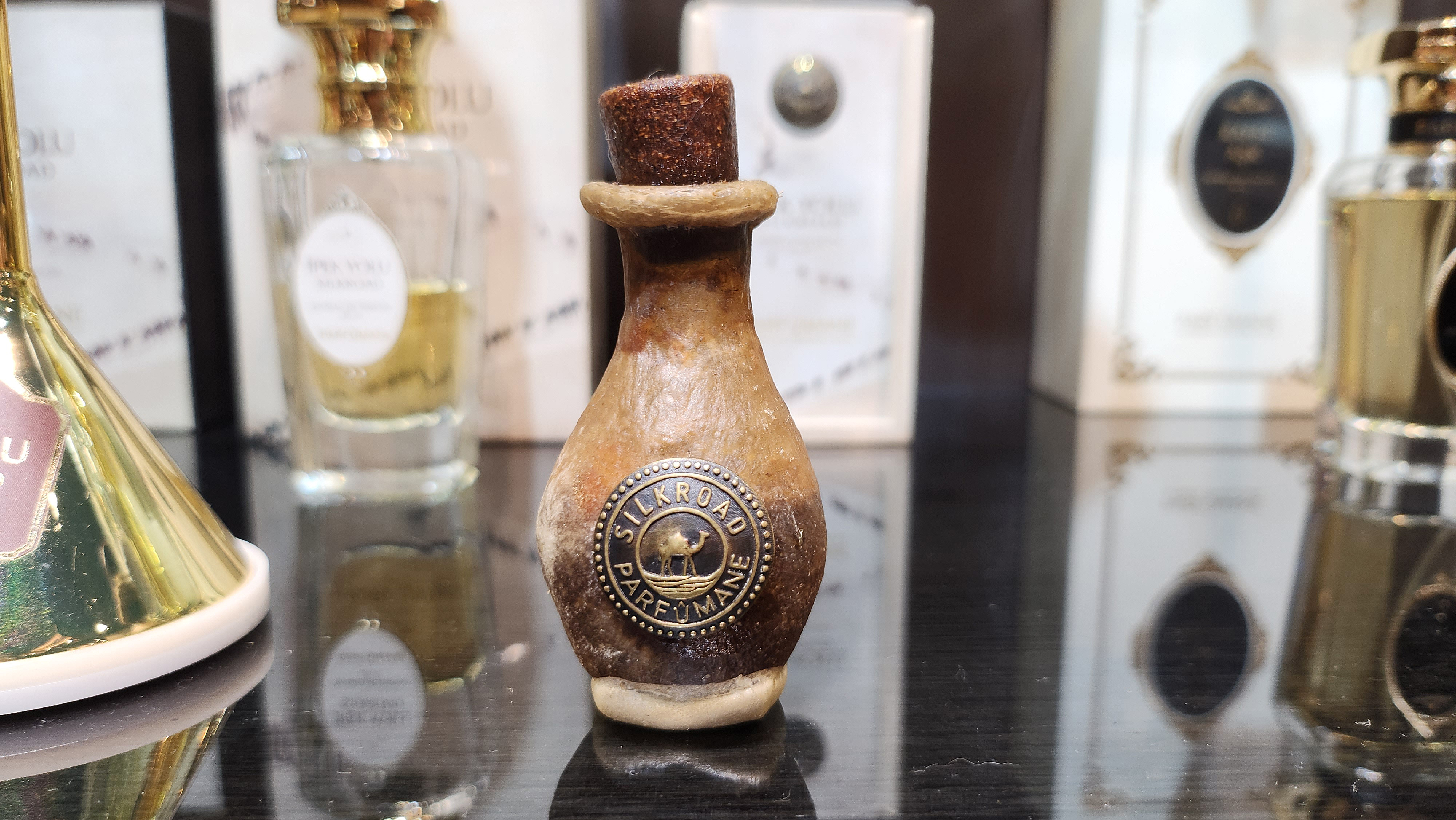
Instead, a concentrated perfume oil from their Silkroad collection became my souvenir—a limited edition in a camel-stomach bottle. İpek Yolu (Silk Road) is a well-blended perfume with top notes of bergamot, coffee, and lavender; middle notes of buhur, cardamom, jasmine, patchouli, and rose; base notes of amber, labdanum, leather, musk, and vanilla. Only this perfume is offered in this special bottle because camels were the means of transport for merchants and goods along the Silk Road.
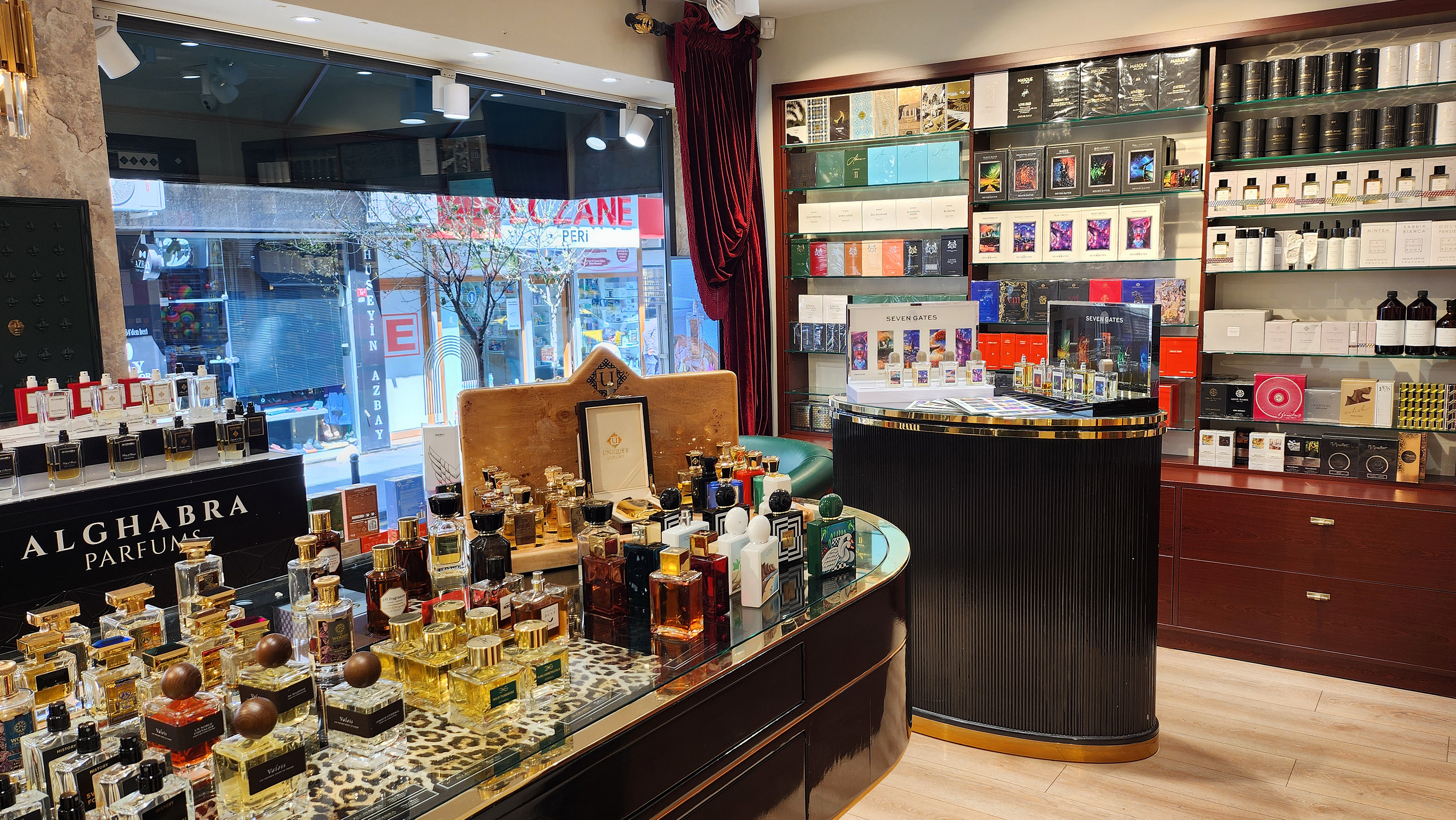
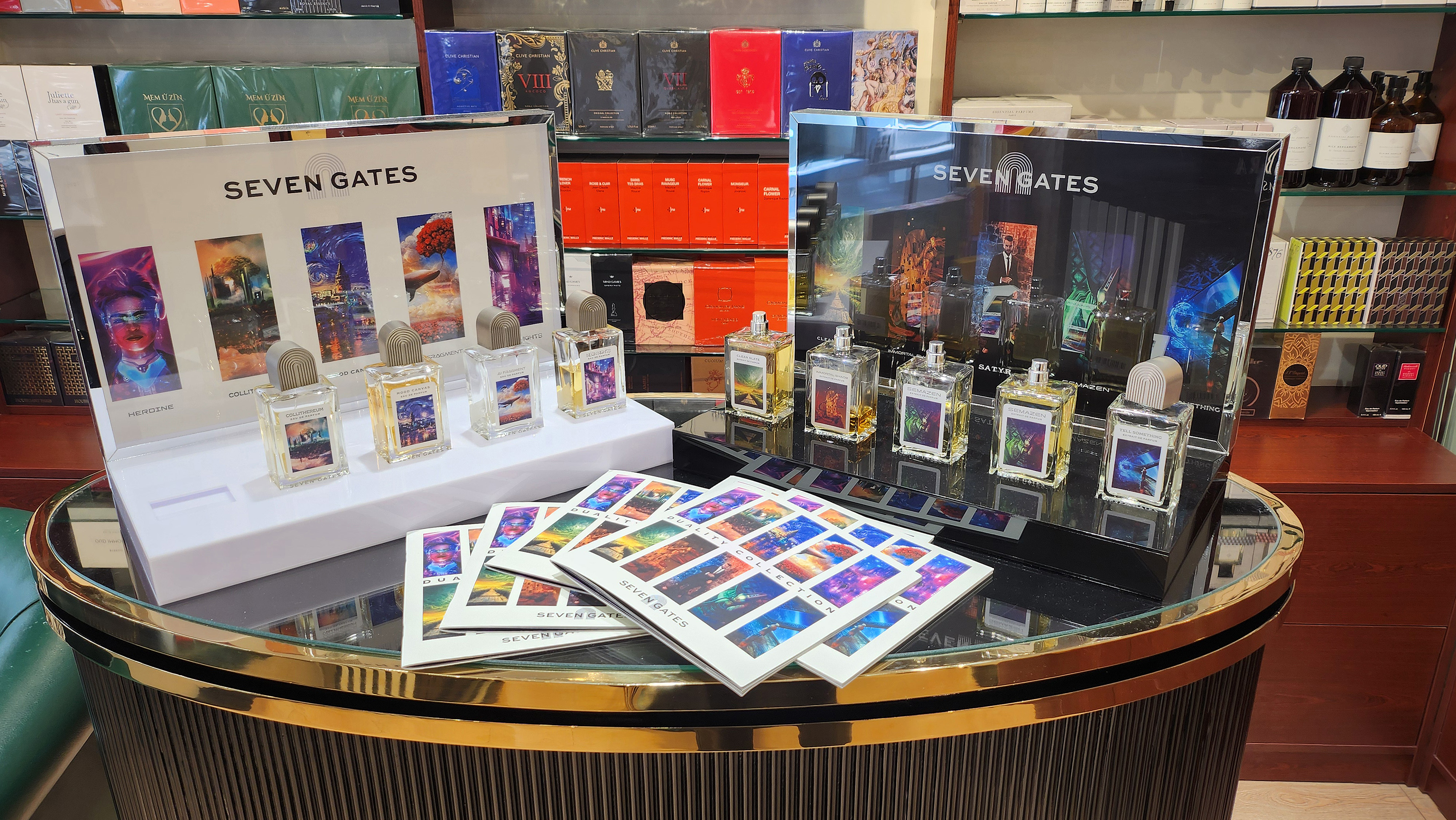
Parfumane has a few other locations, including one in the fashionable district of Nişantaşı. We were in that area only briefly and my goal there was to visit Nokta, a niche perfumery that stocks several international and Turkish brands, including Pekji, Alghabra, Unique’e Luxury, and Seven Gates, which was new to me. I was intrigued by the “digital art” visuals and contrasting notes in the Seven Gates Duality Collection, so I bought the eau de parfum discovery set (and received a discount because I paid cash). Only later did I notice that their logo of seven arches is the same as that of Nokta, although no information seems to be available regarding any shared ownership.
Istanbul is such a dynamic city, hilly, and heavily populated—making for an intensive, immersive experience; and although we packed a lot into a few days, there’s so much more we haven’t seen. I hope there will be a next time. In the meantime, I keep sliding open my wooden box of İpek Yolu and inhaling the musky, floral notes that have escaped from the miniature bottle to reminisce.
 Nose Prose
Yes, not the best timing, Nose Prose! I’m glad you were able to go, though. Love that Perfumatic! I’ve never seen that before. The Parfumane looks fascinating. Good that you could take some perfume oil home to remind you of the trip. Great photos, and thanks for taking us along as always.
LikeLike